 |
   |
|
|
 |
Building with Low-Carbon Concrete Through Canada’s Winter Conditions
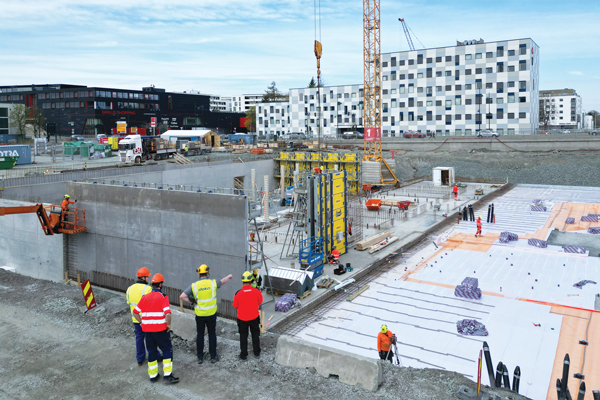
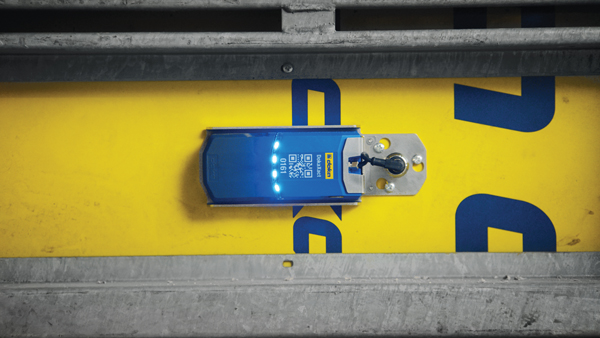
Concrete will remain essential to Canada’s infrastructure, from roads, bridges, and public works to housing, energy, and industrial projects. As the industry moves toward lower-carbon materials, one practical question becomes especially important for Canadian jobsites: how can contractors use new concrete mixes safely and productively when colder temperatures slow strength development and compress already tight schedules? Canada’s Low-Carbon Concrete Transition For contractors, this transition is not only a sustainability topic. It is also a planning, quality, productivity, and safety topic. Low-carbon mixes can behave differently than conventional concrete, and those differences become more pronounced during the winter months, when lower ambient temperatures can delay early-age strength development. Lower-Carbon Mixes Can Change Jobsite Assumptions This matters on site because formwork decisions are closely tied to concrete behavior. If strength development is slower than expected stripping times may need to change. Pouring speed, lift heights, curing plans, and assumed fresh concrete pressure may also require adjustment. In winter, relying on familiar rules of thumb, such as pouring in the afternoon and stripping the next morning, can create avoidable risks. Slower hydration is not always negative. In some cases, it can support concrete quality and reduce cracking risk. The challenge for contractors is balancing quality, safety, sustainability, and schedule certainty, especially when winter conditions leave less margin for guesswork. Digital Formwork Technology Supports Better Decisions Doka’s Concremote uses sensors to measure concrete temperature and calculate compressive strength development. Through real-time data available via app or web portal, contractors can better determine stripping times, curing requirements, prestressing readiness, and other critical operations. Sensor-based solutions such as DokaXact Pressure can also support more controlled use of formwork and in-situ concrete work by improving visibility into jobsite conditions. For winter construction, the value is straightforward: the team can see how the concrete is actually developing, rather than assuming that a conventional timeline still applies. That visibility can help reduce delays, support safer stripping decisions, and create more confidence when lower-carbon mixes are used in cooler conditions. Another development is intelligent heated formwork, which is designed to provide targeted heat to support early strength development in CO2-reduced concrete. Doka’s intelligent heated formwork prototype has already been tested in the Austrian research project “Reduced Carbon Concrete – RCC2” and on cold-weather applications, showing how heating and monitoring can work together to help low-carbon concrete perform more reliably on site. A Cold-Climate Example from Norway For Canada’s infrastructure sector, the message is timely. Low-carbon concrete is becoming more important, but successful adoption will depend on practical tools that help contractors manage real jobsite variables, particularly in winter. By combining better mix design, real-time monitoring, smart formwork solutions, and targeted heating where needed, the industry can continue lowering carbon impacts while maintaining the safety, quality, and productivity that Canadian projects require.
|
|
|||
© InfraStructures - Tous droits réservés - All rights reserved |
 Why Winter Changes the Equation
 Partagez sur Facebook / Share on Facebook