 |
   |
|
|
From Fragmented to Focused: Building Equipment Programs That Support Diverse Municipal Operations
Municipal operations never stay static. Spring pothole repair transitions to summer crack-sealing and pavement maintenance. Fall brings surface assessments and debris cleanup. Winter demands snow removal and emergency response. Throughout every season, crews face a constant operational reality: they must maintain service delivery across diverse tasks with constrained budgets and limited equipment storage. The traditional response has been to build fragmented fleets – multiple single-purpose machines purchased for specific seasonal demands – a machine for grading, another for material handling, a separate unit for snow removal, a dedicated sweeper, etc. But before you know it, your capital is tied up in equipment used only part of the year, you have a complex maintenance program across disparate machine types, your crews are trained on multiple platforms, and you’re managing inventory across different filters, fluids, and parts. Meanwhile, seasonal machines sit idle for months, and storage becomes a perpetual problem. There’s a better approach: building curated fleets composed of versatile equipment platforms that perform reliably across multiple seasons and operational demands.
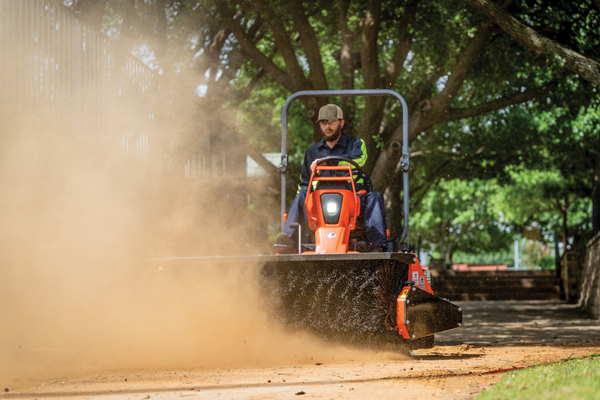
This shift is driven by simple economics. Rising equipment costs mean every dollar spent on a machine represents significant capital commitment. When a single compact track loader with rotating attachments can replace what previously required 4–5 specialized machines, the financial case becomes clear. But the operational case is equally compelling: fewer machines mean simplified maintenance, standardized parts inventory, more efficient operator training, and better utilization rates. The question guiding this transition is straightforward: How can you deploy equipment that performs reliably across multiple roles without requiring excessive capital investment or operational complexity? Continuous Deployment: The Versatility Advantage The same principle applies to utility vehicles. A properly specified RTV platform with cab, four-wheel drive, and attachment capability can serve as the backbone for spring maintenance work, summer grounds operations, and winter snow removal, altogether eliminating the need for seasonal equipment swaps and the downtime they create.
Making Strategic Equipment Decisions If specific work happens regularly and current equipment cannot keep pace, purchasing additional equipment makes sense. If work is occasional (happening once or twice annually), renting or contracting becomes the more cost-effective option. This frequency-based framework prevents the common mistake of purchasing specialized machines that sit idle most of the year. Beyond frequency, procurement professionals should evaluate equipment through three lenses:
Successful municipal equipment strategy focuses on asset management – deploying the right equipment, configured appropriately, and utilized consistently across operational demands. Procurement professionals and public works directors who approach fleet composition strategically build programs that deliver reliable service across diverse seasonal and operational needs while protecting capital budgets and reducing operational complexity. In an era of constrained municipal budgets and expanding service demands, equipment that works hard across multiple seasons and tasks becomes not just a financial decision; it becomes a strategic advantage in maintaining consistent, predictable service delivery. |
|
|||
© InfraStructures - Tous droits réservés - All rights reserved |

 Equipment Investment as Asset Management
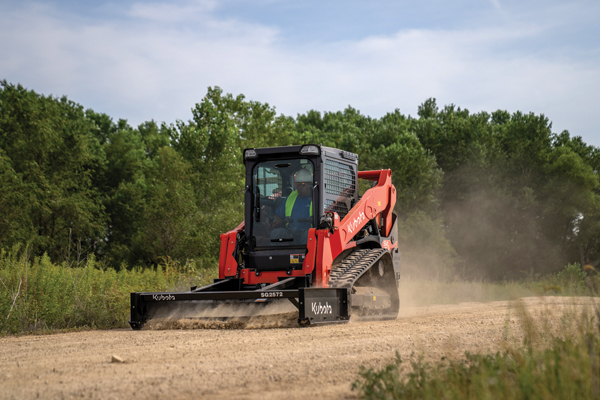 This versatility directly enables reliable service delivery. When municipal crews can respond to diverse operational demands without equipment transitions, work progresses faster and service continuity improves. An RTV that sits idle for six months because it was purchased for a single seasonal task represents capital waste. An RTV deployed year-round across multiple operational roles represents genuine asset management.
 Partagez sur Facebook / Share on Facebook