 |
   |
|
|
 |
Upcycling Arsenic Waste from Mines Could Help Fuel the Green Tech Revolution
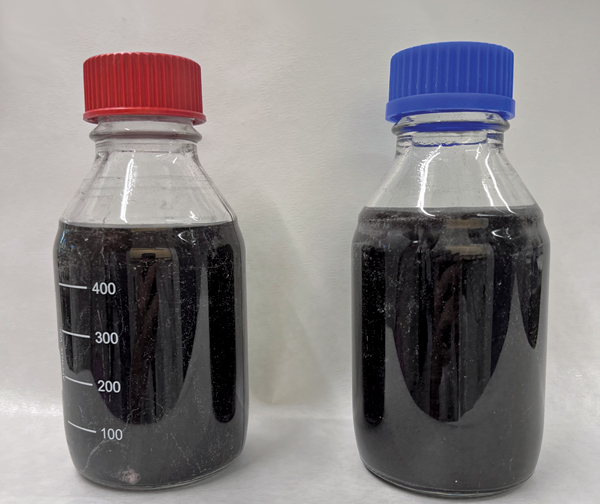
Arsenic waste at closed mines is one of Canada’s largest and most expensive environmental liabilities, driven in large part by historic gold mining. At the Giant Mine site in Yellowknife, Northwest Territories, 237,000 t of arsenic trioxide dust is stored underground – a volume that would fill 9,480 dump trucks. The estimated cost for remediating the site is a whopping $4.4 billion. Canada is not alone in dealing with this potential threat to the environment and human health: Legacy arsenic mine waste is a global problem facing many other countries including Australia, France, and the U.S. However, this liability is increasingly being viewed as a potential asset, with an altered form of the element – metallic arsenic – now classified as a critical mineral by several countries because of its importance for green technologies ranging from solar panels to EV batteries. Little surprise then that research teams from around the world are actively looking for ways to transform the material. As part of an international collaboration, environmental engineers Tamara Etmannski from the University of British Columbia and Case van Genuchten at the Geological Survey of Denmark and Greenland have developed a method for converting arsenic from its carcinogenic form into the sought-after form that could play a key role in society’s transition away from fossil fuels. The early results of their research have been “very promising”, they said. The conversion process is relatively simple, and because the metallic arsenic is separated from the remaining waste during processing, it is easier to remove other valuable elements such as gold, which do not dissolve in the reaction. One of the biggest surprises in their project came from their use of the Canadian Light Source (CLS) at the University of Saskatchewan (USask); ultrabright synchrotron light enabled the researchers to examine the converted arsenic’s chemical structure, said Mr. van Genuchten. “While the [upcycled] arsenic is very pure, more than 99% arsenic, the structure of it is completely different than commercial arsenic,” he said. Mr. van Genuchten is keen to explore whether this difference is useful in the synthesis of semiconductors. The team has 2 goals: first, create large amounts of metallic arsenic for use in electronics manufacturing. And second, transform all the vast stores of arsenic waste so it “doesn’t even exist in place anymore… so there's no further risk of contamination to the environment.” Once they’ve successfully demonstrated that they can make a semiconductor from their converted arsenic, the next big step will be determining whether they can scale up the process to put it into practice at Giant Mine, to upcycle the enormous store of arsenic waste for commercial use, said Tamara Etmannski. The Canadian Light Source (CLS) is a national research facility of the University of Saskatchewan, and Canada’s only synchrotron. Each year, more than 1,000 Canadian and international researchers from universities, government, and industry use the CLS's ultrabright light to address challenges in health, agriculture, energy, the environment, and advanced materials, supported by a team of 260 CLS employees. By enabling discoveries, training the next generation of scientists, and helping Canadian companies innovate, the CLS contributes to Canada's scientific excellence, economic competitiveness, and prosperity.
|
|
|||
© InfraStructures - Tous droits réservés - All rights reserved |
 Partagez sur Facebook / Share on Facebook